
适配器模式
适配器(Adapter)把已有接口转换成调用方需要的接口。它常用于接入第三方 SDK、替换旧系统或隔离协议差异。转换的对象包括参数、返回值、异常和状态语义,不能只把方法改个名字。
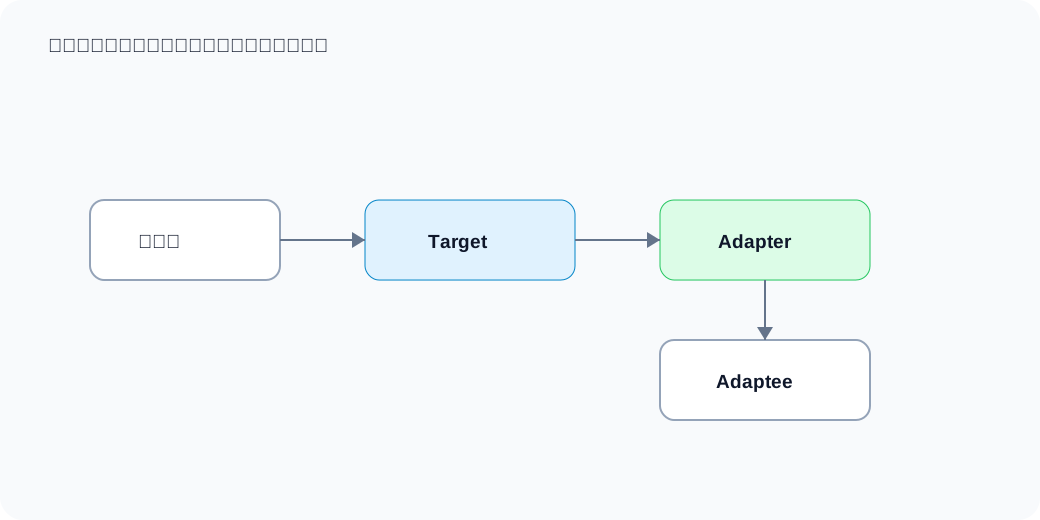
接入厂商通知接口
订单导出完成后,业务希望调用 NotificationPort.submit() 提交通知。旧 SDK 却使用 push(address, template, values),返回状态码和请求编号。若业务到处判断这些字段,换厂商时就必须修改每个调用点。
对象适配器实现内部接口,并持有旧 SDK。业务只看内部合同:返回回执表示厂商已受理,不能据此断言用户已收到消息;明确限流可按上层策略延后,未知状态必须暴露为失败。厂商若只提供同步“已送达”结果,也要先核对其定义,不能机械映射。
下例用本地类模拟 SDK,不连接真实邮件服务。保存为 AdapterDemo.java,可在 Java 17+ 编译运行:
java
import java.util.Map;
import java.util.Objects;

public class AdapterDemo {
    record Notification(String address, String orderNo) {
        Notification {
            if (address == null || address.isBlank()
                    || orderNo == null || orderNo.isBlank()) {
                throw new IllegalArgumentException("收件地址和订单号不能为空");
            }
        }
    }

    record Receipt(String requestId) {}
    record VendorReply(int code, String requestId) {}

    interface NotificationPort {
        Receipt submit(Notification notification);
    }

    static final class RateLimited extends RuntimeException {
        RateLimited() { super("厂商限流,交由上层安排后续处理"); }
    }

    static final class VendorFailure extends RuntimeException {
        VendorFailure(String message) { super(message); }
    }

    static final class LegacyMailSdk {
        private final VendorReply reply;

        LegacyMailSdk(VendorReply reply) { this.reply = reply; }

        VendorReply push(String address, String template,
                         Map<String, String> values) {
            System.out.println("旧接口: " + template + " / " + values.get("order"));
            return reply;
        }
    }

    static final class MailAdapter implements NotificationPort {
        private final LegacyMailSdk sdk;

        MailAdapter(LegacyMailSdk sdk) {
            this.sdk = Objects.requireNonNull(sdk);
        }

        public Receipt submit(Notification notification) {
            Objects.requireNonNull(notification);
            VendorReply reply = sdk.push(notification.address(), "EXPORT_READY",
                    Map.of("order", notification.orderNo()));
            if (reply == null) throw new VendorFailure("厂商回执为空");
            if (reply.code() == 429) throw new RateLimited();
            if (reply.code() != 202 || reply.requestId() == null
                    || reply.requestId().isBlank()) {
                throw new VendorFailure("无法确认受理状态: " + reply.code());
            }
            return new Receipt(reply.requestId());
        }
    }

    public static void main(String[] args) {
        Notification message = new Notification("user@example.com", "O-1001");
        NotificationPort port = new MailAdapter(
                new LegacyMailSdk(new VendorReply(202, "request-1")));
        System.out.println("已受理: " + port.submit(message).requestId());

        try {
            new MailAdapter(new LegacyMailSdk(new VendorReply(429, null)))
                    .submit(message);
            throw new AssertionError("限流必须显式返回失败");
        } catch (RateLimited expected) {
            System.out.println(expected.getMessage());
        }
        try {
            new MailAdapter(new LegacyMailSdk(new VendorReply(500, null)))
                    .submit(message);
            throw new AssertionError("未知失败不能伪装成成功");
        } catch (VendorFailure expected) {
            System.out.println(expected.getMessage());
        }
    }
}
NotificationPort 是目标接口,LegacyMailSdk 是被适配对象,MailAdapter 承担转换。样例中的 202、429 与模板名是这个模拟厂商的合同,不能直接套用到其他 SDK。真实接入还要验证地址格式、模板字段、错误码、超时与返回编号的可信度。
类适配、对象适配与默认回调
| 实现形式 | 结构 | 适用边界 |
|---|---|---|
| 对象适配 | Adapter implements Target,内部持有 Adaptee | 组合已有实例,可注入不同实现;上例属于此类 |
| 类适配 | Adapter extends Adaptee implements Target | Java只能继承一个类,且被适配类不能是 final |
| 默认回调适配类 | 抽象类为监听器提供空方法,子类按需覆盖 | 减少回调样板,不一定承担两个业务接口之间的语义转换 |
不必为每个外部类都创建适配器。若目标接口和外部接口已经一致,增加纯转发对象未必有价值。若一个厂商支持撤回,另一个不支持,就不能让后者静默返回“撤回成功”;应缩小共同合同,或把能力查询与撤回能力单独建模。
Spring MVC 的处理器适配
Spring MVC 中,DispatcherServlet 先通过 HandlerMapping 找到处理器,再寻找能处理它的 HandlerAdapter。RequestMappingHandlerAdapter 支持注解控制器对应的 HandlerMethod;SimpleControllerHandlerAdapter 对接传统 Controller,HandlerFunctionAdapter 对接函数式处理器。
这里的适配使前端控制器无需实现每种处理器的调用细节。实际适配器还会处理参数解析、返回值等机制,不能用“直接反射调用一个方法”代替其完整实现。Starter 自动配置、视图解析与消息转换各自有独立职责,不能笼统归为同一种适配器。
失败与验收
先确认“已受理、已发送、已送达”的状态区别,再验证成功、限流、参数错误、空回执和未知错误码。若调用超时,结果可能是未知:厂商可能已经接收请求。自动重试需要稳定幂等键或厂商查询能力,不能由适配器无条件再次发送。
适配层记录外部请求编号与内部业务编号,便于追踪;日志避免写入完整收件地址与敏感消息。目标接口的测试应检查共同语义,厂商适配测试则检查字段与错误映射。上线前仍需用真实 SDK 的测试环境验证,模拟程序只能证明本地转换逻辑。